The concept of human rights has evolved through three distinct "generations," reflecting the changing priorities and needs of society. This evolution shows both positive developments and concerning trends: First-generation rights are essential as they protect individual freedoms and safeguard against tyranny. They are foundational and align well with Biblical teachings on the value of each…
Critiques of Third-Generation Rights
Third-generation rights have received significant criticism. Let’s break down the main points of contention: 1. Vague and Difficult to Define Critics argue that third-generation rights are too ambiguous and broad. Unlike first-generation (civil and political) and second-generation (economic, social, and cultural) rights, third-generation rights are harder to pin down. For instance, what exactly does the…
Critiques of Second-Generation Rights
While second-generation rights sound great on paper, they have several criticisms. Let’s go through them: 1. Unenforceability Critics argue that second-generation rights are often unenforceable because they are aspirational rather than absolute. For example, a country might promise "the right to housing," but if the government lacks the resources, it’s just words on a page.…
Critiques of First-Generation Rights
Despite being foundational in many constitutions and international agreements, first-generation rights have faced various criticisms and controversies. 1. Individual Focus Over Collective Needs Critics argue that first-generation rights are overly focused on the individual rather than the community. They emphasize protecting personal freedoms but may overlook the collective welfare or the needs of disadvantaged groups.…
The Three Generations of Human Rights

The concept of human rights, as we understand it today, has evolved over centuries, shaped by philosophical ideas, religious teachings, and political struggles. Human rights are commonly divided into three "generations" of rights, each reflecting the changing nature of society's understanding of what people need in order to lead dignified, fulfilling lives. This classification system…
Constitutional Hierarchy of Rights
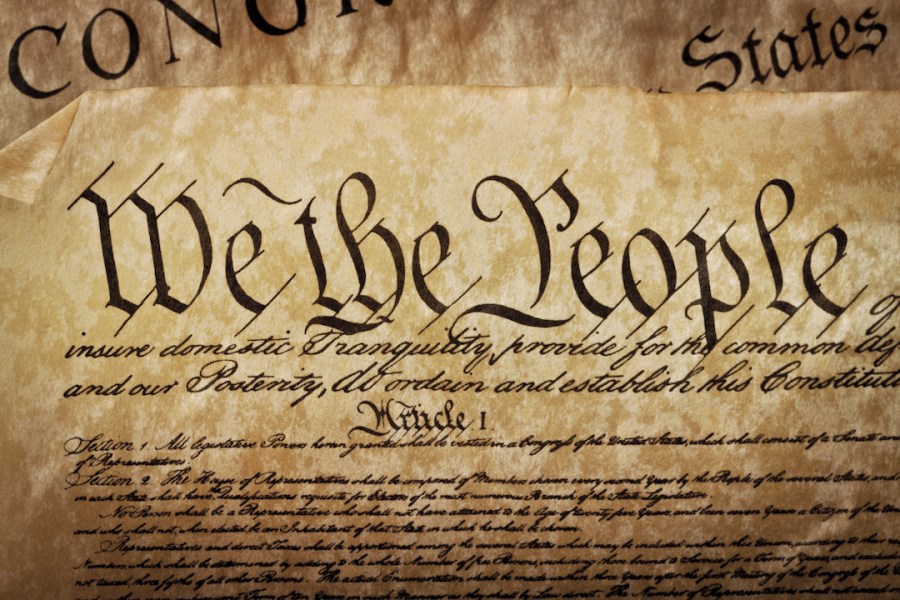
The Constitution of the United States, along with its Amendments and the Bill of Rights, provides a well-established hierarchy of rights designed to protect individual freedoms and establish a government accountable to the people. These rights are intentionally arranged to uphold fundamental liberties, prioritize individual and state sovereignty, and limit government intervention. Understanding this hierarchy…
Criticism of Natural Rights Theory: Tension with Positive Rights
Natural rights theory’s focus on negative rights can sometimes lead to the underappreciation of positive rights, which entail obligations on society or the state to provide certain services or benefits. Positive rights include entitlements like access to healthcare, education, and social security—essential components for promoting human dignity and equality. Critics argue that an exclusive emphasis…
Criticism of Natural Rights Theory: Exclusion of Certain Groups Historically
Despite its claims of universality, the application of natural rights throughout history has been marred by exclusion and selective interpretation. During the Enlightenment period, which greatly influenced the development of modern democratic states, natural rights were largely restricted to a narrow segment of society: white, land-owning men. Philosophers and political leaders of the time, while…
Criticism of Natural Rights Theory: Static Nature of Rights
Natural rights theory is sometimes criticized for lacking adaptability in the face of evolving social, political, and economic landscapes. In a rapidly changing world, challenges such as digital privacy, cybersecurity, and climate change present issues that classical natural rights theories, which emerged during the 17th and 18th centuries, did not anticipate. These new challenges require…
Criticism of Natural Rights Theory: Potential for Conflicts Between Rights
Natural rights theory often struggles to offer a clear and actionable framework for resolving conflicts between competing rights. It posits that certain rights are inherent and inalienable, derived from natural law and not contingent on societal structures or governmental approval. However, the abstraction that makes natural rights appealing also poses challenges in practical application, particularly…
 The Independent Christian Conservative