Natural rights are inherent to human nature, meaning they are not granted by any authority or government, but are intrinsic to every individual by virtue of their humanity. Because these rights are seen as inalienable, they cannot be justly taken away, limited, or surrendered—even by governments or other external powers. This concept serves as a…
Natural Rights Theory: Universal Moral Standard and Critique of Relativism
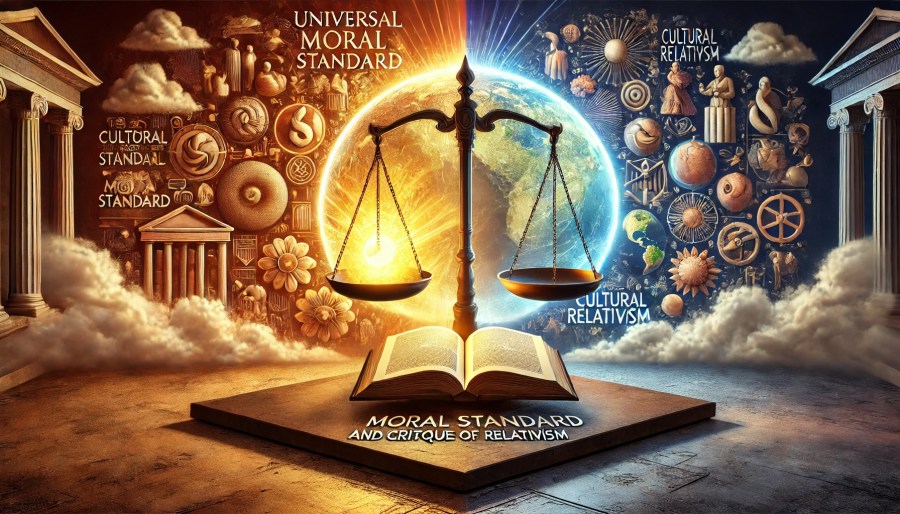
By grounding human rights in the concept of natural rights, this tradition challenges cultural relativism, which argues that moral standards and rights are context-dependent, varying from culture to culture. Natural rights provide a universal moral standard that transcends these boundaries, insisting that some rights are non-negotiable and must be protected for all people, everywhere. This…
Natural Rights Theory: Influence on Historical Documents and Movements
The influence of natural rights on the development of modern human rights theory cannot be overstated. One of the most notable examples is the U.S. Declaration of Independence (1776), a document that explicitly draws from natural rights principles. In declaring independence from British rule, the American colonists grounded their moral justification in the belief that…
Natural Rights Theory: A Moral Foundation for Human Rights
Natural rights offer a profound and enduring moral foundation for the concept that human rights are universal, inherent, and non-negotiable, rooted in the very nature of human beings rather than contingent upon any particular government, culture, or legal system. The theory posits that these rights exist simply because a person exists, and they cannot be…
 The Independent Christian Conservative