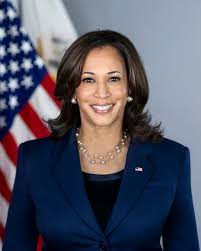
Kamala Harris, as Vice President of the United States and former U.S. Senator from California, has had a significant impact on American politics. While her ascent to national prominence as the first female Vice President and the first of African American and South Asian descent is historic, her record and policy positions have raised questions. Here, we will examine both the positives and negatives of Harris’ policies and career.
Pros of Kamala Harris’ Record and Policies
1. Tough-on-Crime Background
Kamala Harris served as California’s Attorney General from 2011 to 2017, during which she built a reputation as a tough-on-crime prosecutor. In a political climate where the progressive wing of her party has increasingly called for defunding the police and reducing penalties for certain crimes, Harris’ record on criminal justice, especially earlier in her career, could be seen as relatively moderate compared to more progressive figures.
She opposed calls to decriminalize prostitution and defended the death penalty, even when these positions were unpopular in her own party. Her insistence on prosecuting cases of violent crime, especially gang-related activities, demonstrated a commitment to law and order that contrasts with the “soft-on-crime” policies advocated by other Democrats.
2. Advocacy for Worker Protections
Though Harris has consistently pushed for progressive policies on labor, including raising the minimum wage and strengthening union power, some of her positions could benefit working-class voters. For instance, her support for enforcing labor laws and preventing wage theft is commendable. Though I typically favor market-driven labor policies, Harris’ actions against abusive labor practices show a willingness to hold corporations accountable, which is also important.
3. Historic Firsts and Inspiration to Minority Communities
While not a policy in itself, Harris’ achievement of becoming the first woman of color to ascend to the Vice Presidency is undeniable. As a conservative who values a meritocratic society and views the American Dream as achievable for all individuals, I find her story inspirational. Her success could serve as an example of the country’s progress on racial and gender equality, even as policy disagreements remain significant.
Cons of Kamala Harris’ Record and Policies
1. Far-Left Economic Proposals
One of the most concerning aspects of Harris’ policy agenda is her support for far-left economic policies. Harris has supported expansive government programs, including Medicare for All and the Green New Deal, both of which are costly and intrusive. Medicare for All would fundamentally reshape the American healthcare system, placing it under government control and likely leading to higher taxes, decreased competition, and lower quality of care.
Similarly, her support for the Green New Deal, which calls for radical shifts in energy policy, including the elimination of fossil fuels, would result in skyrocketing energy costs, job losses in the energy sector, and government overreach in the economy. These proposals reflect a broader socialist-leaning agenda that is harmful to free enterprise and American individualism.
2. Softening Stance on Criminal Justice
While Harris once held a reputation as a tough prosecutor, her recent shift in criminal justice policy positions is cause for concern. During her tenure as Vice President, Harris has embraced criminal justice reform policies aligned with the progressive wing of the Democratic Party, including support for reducing sentencing for certain non-violent offenses and bail reform, which leads to increased crime rates and decreased accountability for criminals.
Additionally, her willingness to discuss defunding or reimagining the role of police departments in certain cases represent a stark departure from her previous positions. These stances are problematic, as maintaining public safety and strong policing should remain paramount in any criminal justice discussion.
3. Unclear Positioning and Inconsistent Leadership
Another concern is Harris’ inconsistency on major issues. She has been vague in articulating clear policy proposals or principles, often shifting positions based on political convenience. Her wavering on issues like healthcare—where she oscillated between supporting Medicare for All and more moderate plans—shows a lack of firm commitment to guiding principles, which is indicative of political expediency rather than true leadership.
Her role as Vice President has also been marred by accusations of ineffectiveness. Critics on both sides have noted that she has not provided a decisive voice or taken on key policy roles beyond symbolic gestures. This absence of leadership has been particularly notable in areas like immigration, where she was tasked with addressing the border crisis but has been largely absent in providing any clear solutions or enforcing law and order.
4. Support for Liberal Social Policies
Harris’ firm stance on progressive social issues, including her support for abortion rights and expansive government-driven solutions to social inequality, is particularly troubling. Her opposition to any restrictions on abortion and her support for taxpayer-funded abortion services are antithetical to principles that prioritize the sanctity of life. These positions are out of step with traditional values, individual liberty, and religious freedom, which are the cornerstones of American society.
Conclusion
Kamala Harris’ political career presents a complex picture. Her early track record on criminal justice may align with certain conservative values of law and order, but her shift towards more progressive policies and her support for far-left economic proposals are very concerning. Her policy agenda leans too far toward expansive government control, diminished individual freedoms, and a disregard for fiscal restraint.
Discover more from The Independent Christian Conservative
Subscribe to get the latest posts sent to your email.
 The Independent Christian Conservative